Garden Decor Features That Will Transform Your Backyard into a Retreat
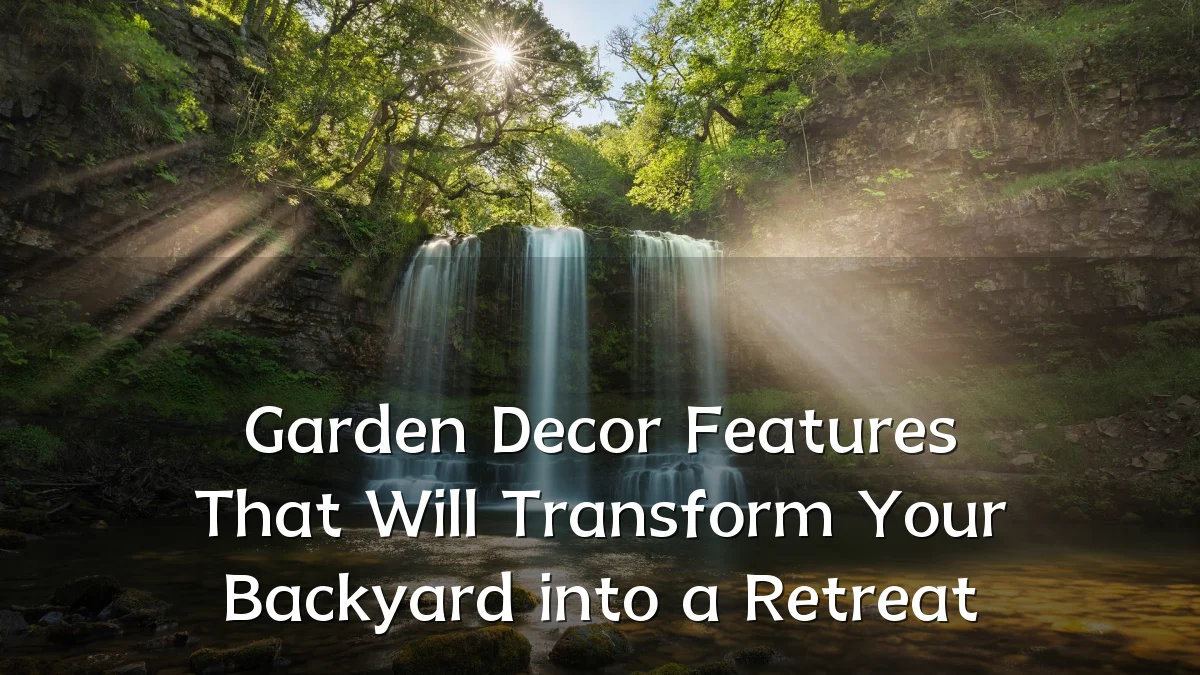
Backyards are no longer just patches of grass or overflow storage for patio furniture. Homeowners are increasingly treating outdoor spaces as extensions of the living room, with garden decor playing a central role in creating a sense of calm and escape. This analysis looks at the features shaping that shift, the concerns buyers have, and where the trend is heading.
Recent Trends: The Move Toward Outdoor Living
In recent seasons, the most noticeable trend in garden decor has been the emphasis on comfort and utility rather than purely ornamental accents. Soft seating, weather-resistant fabrics, and layered lighting are becoming baseline expectations rather than upgrades. People want a backyard that functions as a genuine retreat, not simply a showcase.

Key decor features gaining traction include:
- Defined zones: Outdoor rugs and modular furniture that carve out separate areas for dining, lounging, and reading.
- Water elements: Compact fountains, pondless waterfalls, and wall-mounted water features that add sound and cooling without major installation.
- Ambient lighting: String lights, low-voltage path lights, and lanterns that extend usability past sunset.
- Greenery as architecture: Tall potted grasses, privacy hedges, and vertical plant walls that frame the space.
- Natural materials: Stone, wood, and terracotta finishes that age well and keep the design feeling grounded.
Background: From Utility to Retreat
The idea of the backyard as a retreat is not new, but its practical expression has changed. Older decor tended to be decorative and static: a birdbath, a wrought-iron bench, a few flower beds. Today, the focus is on usability and sensory experience. Homeowners are treating garden decor less as a collection of objects and more as a set of tools for managing light, sound, privacy, and temperature.
This shift is partly driven by changing work and leisure patterns. With more time spent at home, people are looking for ways to create micro-destinations in their own property. Decor features that deliver a clear functional benefit, such as shade sails or wind-resistant screens, tend to be prioritized over purely cosmetic pieces. The result is a more deliberate, layered approach to styling outdoor areas.
User Concerns: Durability and Maintenance
While the aesthetic appeal of a retreat is obvious, buyers are increasingly cautious about the long-term reality of maintaining it. Weather exposure, seasonal changes, and local climate conditions all factor into whether a decor feature holds up or becomes a recurring expense.
Common concerns include:
- Fade and corrosion: How materials like aluminum, resin wicker, and powder-coated steel perform under direct sun or coastal salt air.
- Storage burden: Whether cushions, lanterns, and other items need to be hauled indoors each season.
- Water feature upkeep: Algae control, pump cleaning, and winterizing requirements for ponds and fountains.
- Cost of installation: How to gauge the difference between simple bolt-down fixes and projects requiring a contractor.
For most households, the practical question is not whether a feature looks beautiful, but whether it can survive two or three seasons without constant attention. Neutral, low-maintenance materials and modular designs are easing those worries, but they still require honest assessment before purchase.
Likely Impact: A More Personal and Practical Standard
The likely impact of the retreat trend is that garden decor will keep moving toward personalization and performance. Pieces that serve multiple functions, such as a fire table that doubles as a dining surface or a privacy screen that also holds planters, will likely continue to outperform single-use decor. Homeowners who prioritize a few well-integrated features over a cluttered arrangement will see the strongest return in both comfort and property appeal.
Another effect is the growing expectation that even small spaces can feel like retreats. Balconies, narrow side yards, and compact urban gardens are adopting the same principles on a smaller scale: vertical greenery, layered lighting, and furniture that folds or stacks. The decor industry response has been a wider range of scale-appropriate designs that do not sacrifice character for size.
What to Watch Next
Looking ahead, the next developments in garden decor will likely center on smarter integration and longer-lasting materials. Watch for features that respond to conditions rather than staying static, such as lighting that adjusts to ambient brightness or shading systems that can be repositioned as the sun moves.
- Sustainable materials: Recycled composites, reclaimed wood, and drought-tolerant planting schemes that lower resource use.
- Modular systems: Furniture and planter configurations that can be expanded or rearranged without new purchases.
- Climate adaptability: Decor designed for hotter summers, wetter winters, and shifting weather patterns.
- Quiet technology: Solar lighting, low-energy water pumps, and smart irrigation that fade into the background.
The direction is clear: garden decor is becoming less about filling space and more about shaping it. Homeowners who approach their backyard with the same care as their interior will find that even modest features can create a genuine retreat. The key is to prioritize durability, function, and a personal sense of calm over passing trends.