The Ultimate Guide to Choosing Garden Gifts They'll Actually Use

Selecting a garden gift can be a gamble. Industry observers note that while the gardening sector continues to expand, a significant portion of themed merchandise ends up unused, relegated to the back of a shed. This analysis breaks down how to navigate the market and choose items that align with practical gardening needs.
Recent Trends in Gardening and Gifting
The modern gardening landscape is shifting. Retail analysts suggest a move away from purely ornamental gifts toward functional and sustainable tools that support active cultivation rather than passive display.
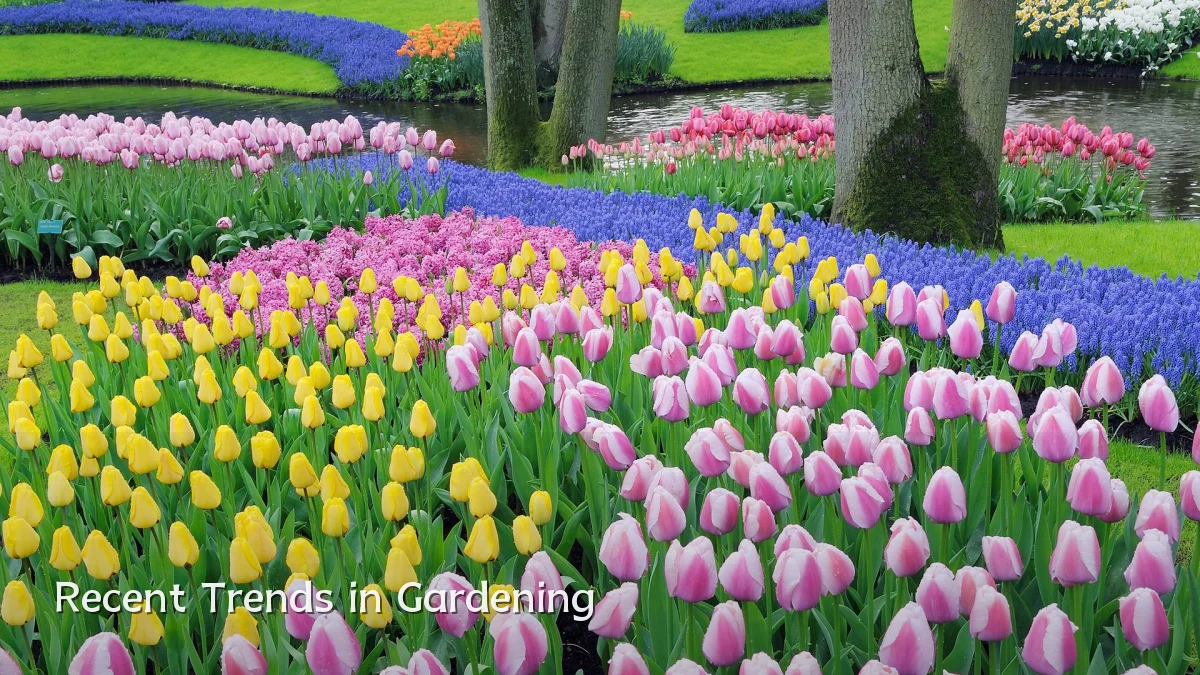
- Rise of indoor gardening systems and compact hydroponic kits for countertop use.
- Increased demand for ergonomic hand tools with replaceable parts and long-lasting materials.
- Focus on native plants, pollinator-friendly seed mixes, and organic soil amendments.
- Growth in "experience" gifts, such as nursery vouchers, botanical garden memberships, or workshop passes.
Background: Why Many Garden Gifts Miss the Mark
Traditionally, garden gifts have leaned toward the generic, such as mass-produced ornaments or novelty aprons. However, the modern gardener is often highly specific about their setup, whether it involves raised beds, container gardening, or vertical greenery. A gift that ignores the practical realities of the recipient's environment—such as local climate, sun exposure, or available square footage—is unlikely to see regular use.

Observers point to a clear distinction between passive garden decor and active gardening gear. The latter, which includes seed-starting kits, quality pruning shears, and durable hoses, generally demonstrates significantly higher utilization rates. Understanding this difference is the first step toward making a useful purchase.
Key User Concerns When Selecting Garden Gifts
Market feedback highlights several recurring considerations for buyers seeking garden presents. Evaluating these criteria helps avoid common purchasing pitfalls.
- Skill Level: A complex espalier kit or advanced grafting tool may overwhelm a novice, while a basic watering can might be redundant for a seasoned horticulturist with an automated irrigation system.
- Climate Compatibility: Gifts must suit the recipient's local growing zone. A cold-frame kit is invaluable in northern regions but largely useless in mild coastal climates.
- Space Constraints: Balcony gardeners require compact, foldable tools and vertical planters, whereas those with larger plots may prefer bulk compost, long-handled tools, or wheelbarrow accessories.
- Durability and Maintenance: Cheap, single-season tools contribute to waste and frustration. Recipients consistently prefer stainless steel blades, ash or fiberglass handles, and items with replaceable components over disposable alternatives.
- Duplication: Gardeners often own standard tools already. Gifting specialized items—such as a daisy grubber, a hori-hori knife, or a seed sower—offers more perceived value than another generic trowel.
Likely Impact of Thoughtful Selection
Choosing gifts that align with actual gardening routines generates several positive outcomes. From a consumer perspective, the item is more likely to be integrated into daily use, reinforcing the practical bond between the giver and the recipient. A tool that solves a specific problem—such as a knee pad for hard surfaces or a wrist-friendly ratchet pruner—is frequently cited as a "favorite tool" rather than a shelf decoration.
Economically, a shift toward higher-quality, repair-able gifts encourages the market to prioritize durable goods over disposable plastic novelties. In a broader sense, practical gifts such as a high-quality compost bin, a rain barrel diverter, or a soil thermometer can subtly promote more resource-efficient gardening practices at home.
What to Watch Next in the Garden Gifting Space
Looking ahead, product developers are focusing on integrating technology with tactile gardening. Smart sensors that monitor soil moisture, light intensity, and nutrient levels are becoming more accessible, though they remain a niche option for tech-savvy growers. Additionally, the rise of community garden sponsorships and "adopt-a-plot" initiatives suggests that experiential and charitable giving will continue to grow in popularity.
The long-term trend points toward personalization. As regional climate data and hyper-local growing guides become more accessible, expect to see more targeted and practical garden gift bundles rather than one-size-fits-all sets.
Ultimately, the most reliable strategy is to observe the recipient's specific gardening habits, challenges, and aspirations. When in doubt, a gift card to a reputable local nursery remains one of the most flexible and genuinely appreciated options, empowering the gardener to choose exactly what their plot requires.