Thrift Store Treasures: How to Style a One-of-a-Kind Garden on a Budget
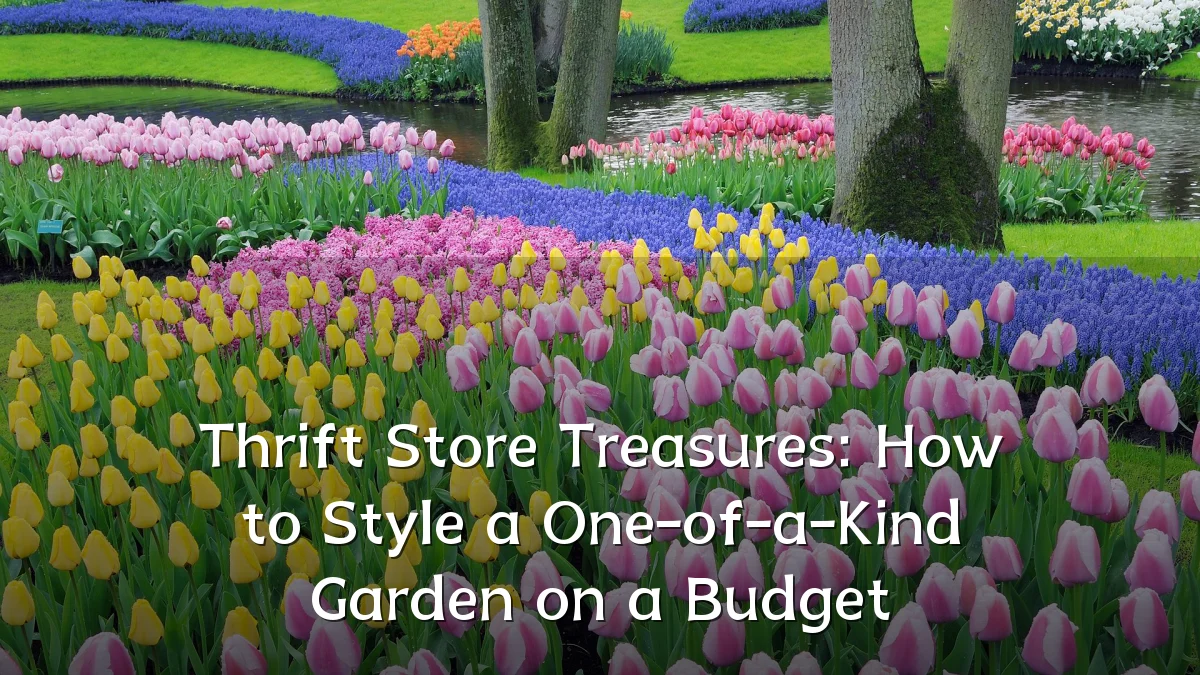
Garden and patio design has increasingly turned toward secondhand sourcing, as homeowners look for ways to refresh outdoor spaces without paying full retail prices. Thrift stores, flea markets, and estate sales have become unlikely showrooms for garden decor, offering everything from vintage planters to repurposed furniture.
Recent Trends
Recent seasons have seen a noticeable shift away from matching outdoor furniture sets toward more eclectic, layered arrangements. Consumers are mixing metal, wood, and ceramic pieces, often pulling from different eras, to create a collected-over-time look. Social media has amplified this by featuring thrifted finds before and after transformations that emphasize character over polish.

Another emerging pattern is the use of household items in unexpected outdoor roles:
- Old enamelware and ceramic bowls used as planters and water catchers.
- Cane-back chairs and wooden stools repurposed as plant stands.
- Galvanized buckets, tins, and washbasins serving as raised containers for herbs and flowers.
- Picture frames, mirrors, and shutters turned into vertical garden accents.
Background
Thrift store shopping for garden decor is far from new, yet it has gained broader relevance as gardeners look for affordable ways to personalize outdoor areas. Unlike indoor decor, garden pieces face greater exposure to moisture, sunlight, and temperature swings. That means thrifting for outdoor use requires a slightly different set of evaluation criteria than buying for inside the home.

Budget-conscious gardeners are not the only ones taking notice. Interior designers and landscape stylists have pointed to secondhand sourcing as a practical way to avoid the uniform look of mass-produced outdoor catalogs.
User Concerns
While the appeal is strong, several concerns shape how buyers approach thrift store garden finds.
- Durability: Wooden items may rot, metal can rust, and ceramics can crack if they are not weather-resistant or treated before use.
- Safety: Painted items may contain lead or other old finishes, particularly relevant when used near vegetable beds or seating areas.
- Drainage: Repurposed containers require proper drainage holes to avoid waterlogged roots.
- Selection variance: Thrift stores carry unpredictable inventory, so a specific vision may require multiple visits or flexible planning.
Likely Impact
The practical impact of thrifted garden styling is threefold. First, it lowers the cost of entry for gardeners who want a finished look without large upfront investments. Second, it reduces waste by keeping viable household items out of landfills. Third, it supports a more individual aesthetic, since no two thrift store finds are exactly alike.
For homeowners facing budget constraints or hoping to refresh rental patios, secondhand sourcing offers a low-commitment path to a more personal landscape.
What to Watch Next
Expect continued growth in community-based exchange platforms, neighborhood swap groups, and church or school rummage sales, all of which feed the same demand for affordable garden decor. Seasonal shifts will also matter: late spring and early fall tend to produce an uptick in both donated outdoor items and buyer interest.
As the trend matures, more attention is likely to be paid to weatherproofing treatments, non-toxic sealants, and safe restoration methods. Those who learn to evaluate structural soundness and apply basic coatings will likely get the most lasting results from their thrift store garden projects.